SKU Profiling: What It Is, What It Captures, and Why It Matters for Fulfillment
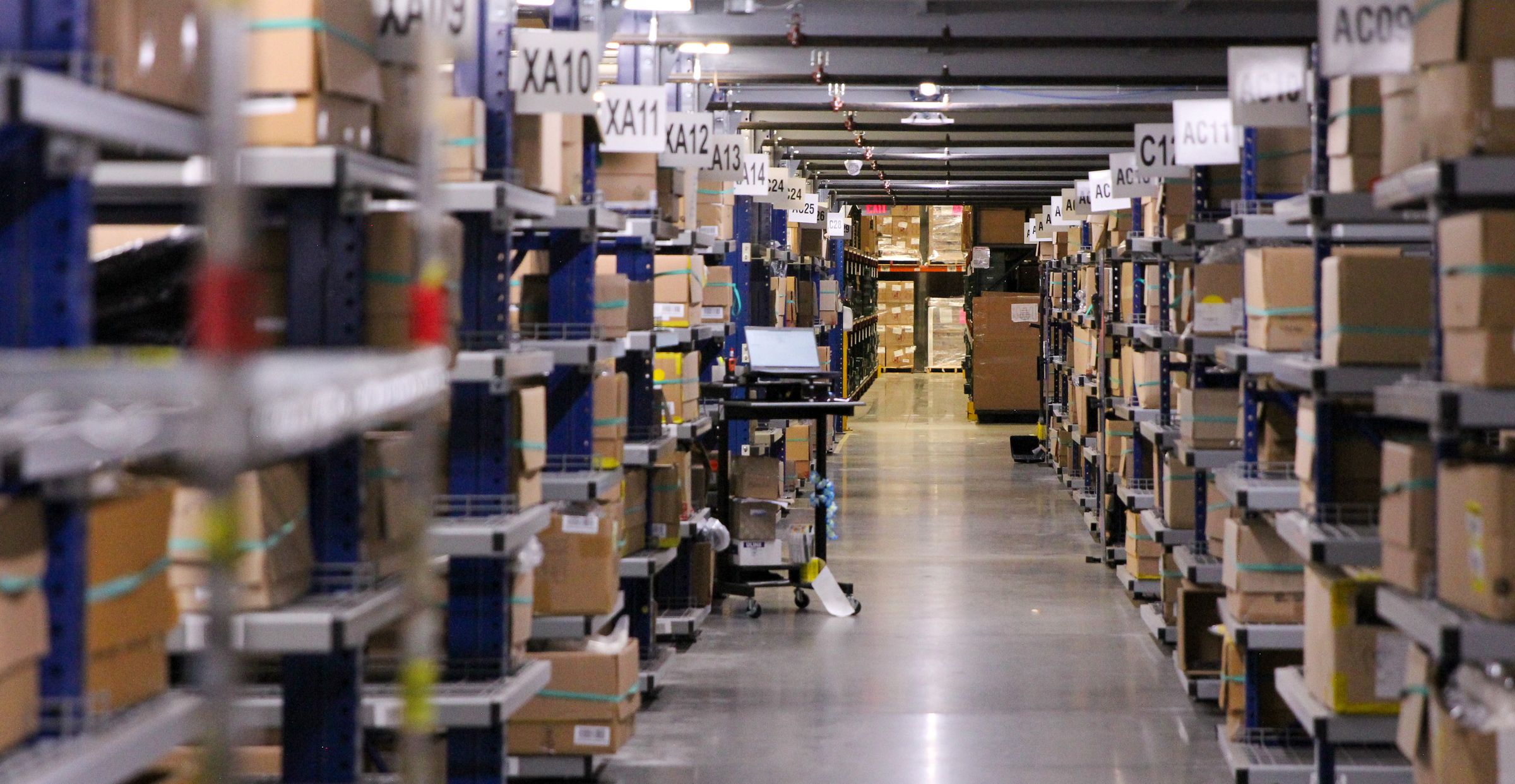
In a fulfillment center, data is the operating system behind every decision on the floor. It drives slotting strategies, pick paths, labor planning, packing workflows, carrier selection, and cost control. Every scan, movement, and decision depends on it.
But data is only as powerful as it is accurate. When it is inaccurate or incomplete, shipping costs inflate, labor is wasted, automation underperforms, and packing decisions become inconsistent. The most sophisticated systems can't deliver on their promises without reliable data to work from.
At the core of that data is the profile of every SKU. Accurate, detailed information on what’s being shipped, including dimensions, weight, fragility, and handling requirements directly impacts how inventory is stored, how orders are packed, and how shipments are rated and routed. When that data is wrong or incomplete, performance suffers. The gap almost always traces back to the item master.
SKU profiling is how you fix that.
What Is SKU Profiling?
Stock Keeping Unit (SKU) profiling is the process of capturing accurate and comprehensive data for every item in a catalog. This includes item dimensions, weights, and behavioral attributes such as whether an item is fragile, nestable, or compressible. In addition to basic dimensioning, SKU profiling captures how an item can be slotted and packed, giving cartonization and automation systems the information needed to make reliable decisions.
SKU Profiling vs. Dimensioning
Capturing an item's length, width, height, and weight is an important first step in the dimensioning process. However, profiling SKUs by documenting unique attributes will add key data points to optimize processes throughout operations.
Can the item be compressed or folded? Does it nest or stack? Does it have internal cavity space that goes unutilized? Does it need to ship upright? Is it fragile, hazardous, or unusually heavy for its size? These attributes determine how a product should be packed and slotted, and form the foundation of the Standard Operating Procedures (SOPs) that keep packing decisions consistent across every order. When creating packing rules, they are only as effective as the item data available.
Dimensioning tells you item or SKU level measurements. Profiling tells you how the item or SKU behaves in a storage or packing environment. This distinction is what allows your systems to make accurate, reliable decisions rather than educated guesses.
What SKU Profiling Captures
Paccurate's SKU profiling service collects four categories of data:
Dimensions
Length, width, and height are measured to reflect how items are packed, informing box selection and pack sequencing. In addition, for items that stack or nest, internal dimensions are captured, giving cartonization logic a complete picture of how this additional space can be used.
Weights
Accurate weight data is critical across the entire operation. It supports shipping calculations, pallet planning, load optimization, and Overall Equipment Effectiveness (OEE). Weight also plays a key role in pack distribution. An item that looks lightweight but ships heavy, such as cookware, can throw off rate shopping and exceed bin weight limits.
Packing heavy items alongside light ones without accounting for weight distribution leads to damaged goods, unhappy customers, and added cost when handling returns or repacks.
Attributes and categories
This is where SKU profiling separates itself from standard dimensioning. Operational attributes such as fragility, hazmat classification, compressibility, nesting capability, internal cavity space, and orientation constraints introduce the handling logic required for accurate execution.
Embedding these attributes into packing optimization software moves operations from rule-of-thumb assumptions to data-backed decision making, optimizing container selection, reducing void fill, and minimizing exceptions at the pack station.
Barcodes
SKU numbers and bin locations ensure every data point is tied to the right item and flows cleanly into your Warehouse Management System (WMS). Accurate identification allows the data to be used efficiently at scale.
When these four data points are captured accurately and completely, the operational impact is significant.
The Operational Impact of SKU Profiling
SKU profiling is a powerful tool for analyzing inventory performance, helping businesses optimize stock levels and reduce transportation costs. By leveraging detailed data insights, companies can make informed decisions that drive efficiency and boost profitability. When your item master is accurate and complete, the benefits compound across every part of the operation:
Reduce Shipping Costs
Every fulfillment Key Performance Indicator (KPI) eventually traces back to Shipping Cost Per Unit (SCPU), and that number starts with accurate inbound data. Profiled SKUs enable precise rate shopping, better carrier selection, and fewer dimensional weight penalties. Poor data leads to overpriced shipping on items that shouldn’t cost as much to ship. Accurate data reduces the risk of margin erosion.
Reduce Damages
When the cartonization engine knows an item's attributes, whether it's fragile, can be folded, or should be shipped in its original container, it makes better packing decisions. Fewer damaged shipments means lower replacement costs and higher customer satisfaction scores.
Save on Labor and Improve Slotting
Accurate dimensional and attribute data enables smarter slotting, placing products in locations that minimize travel time, reduce pick errors, and match how items actually need to be handled. That translates directly to fewer labor hours per order. Comprehensive SKU data also eliminates guesswork and repacks at the pack station helping further increase throughput.
Increase Throughput
When teams have clear SOPs for how data should be captured and items handled, they work faster and more consistently. The less time spent guessing means less rework and more orders out the door.
Cut Consumable Waste
Accurate SKU data powers the cartonization engine to select the right box for every order. When dimensions and behavioral attributes are known, items can be nested, folded, or compressed to fit more efficiently into a right-sized box, reducing the number of boxes per shipment and the amount of void fill, dunnage, and protective packaging required. The result is less consumable waste and lower material costs at scale.
Maximize Trailer Utilization
Accurate SKU data optimizes how boxes stack on pallets and how pallets load into trailers. More outbound volume in the same number of loads is a compounding advantage as shipping costs rise.
Power Automation
For operations utilizing on-demand packaging machines, Automated Storage Retrieval Systems (ASRS), Autonomous Mobile Robots (AMRs), or other automated systems, accurate and complete SKU data should be a prerequisite. Automation systems fail when the data they rely on is wrong. Weight tolerances get exceeded. Bins are sized incorrectly. Grid layouts are built on assumptions instead of facts. For greenfield builds especially, profiling before you design means sizing your infrastructure accordingly, not to a buffer you'll never fully utilize and a Return On Investment (ROI) you’ll never achieve.
Filling your item master with accurate SKU data doesn't have to be complicated. Paccurate works with customers to collect, structure, and integrate the data their operation needs to optimize performance across all areas of fulfillment.
Start With the Data
The case for SKU profiling is clear. Accurate, complete item data is what separates an operation that consistently performs at its potential from one that is always chasing the gap between expected and actual results.
Paccurate works with operations of all sizes to collect, structure, and integrate the SKU data their systems need to perform. Whether you are starting from scratch or cleaning up years of incomplete data, the process is manageable and the returns are significant. To learn more about SKU profiling and how Paccurate can help, talk to our team.