The Truth About Dimensional Data and Packing Efficiency
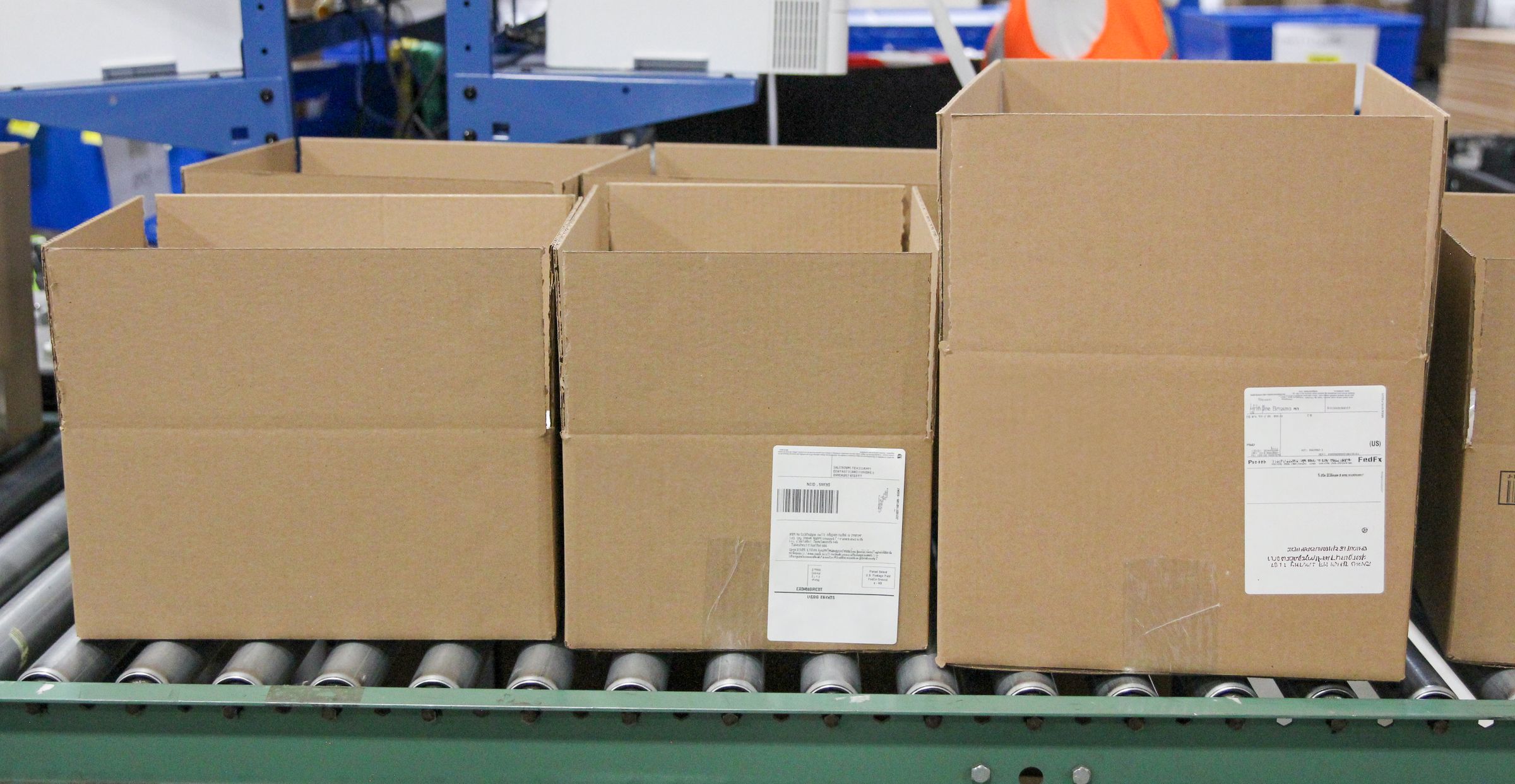
Most teams want to improve packing and packaging, and for good reason. Costs are rising, expectations around sustainability are growing, and fulfillment centers are expected to move faster with fewer resources. New box sizes, more mailers, and pack-station adjustments are all part of the equation, but they only work with the right foundation in place: accurate dimensional data.
Dimensions are the basis of packing and packaging decisions. They shape how products fit together, which container gets selected, how much material you use, and what you pay to ship every order. When that data is wrong, even the best operational improvements will fall short. Small inaccuracies, when scaled across millions of shipments, can lead to substantial cost increases.
According to the 2025 Warehouse Operations Trend study, nearly half of respondents reported not having SKU weight and dimensions in their item master. Paccurate sees this challenge firsthand. Teams work hard to improve packing, but true optimization is not achieved until their dimensional data is clean, current, and reflects how items actually behave. Once that foundation is solid, order packing becomes easier, faster, and more cost-effective.
Why Accurate Dimensional Data Is the Foundation
Accurate SKU data guides how products are stored, packed, and shipped. Before any improvement project, teams should confirm:
Items are measured correctly
Data is accurate and consistent
Item attributes are reflected in the item master (e.g., fragility, foldability, squishability)
Item measurements reflect how products behave in real packing conditions
(e.g., packable dimensions compared to actual dimensions)
Most operations rely on supplier-provided dimensions, but they aren’t reliable and quickly become outdated. Packaging can change, and mistakes are common. One frequent example is someone entering the dimensions of the inner pack, such as a case pack or multi-unit bundle, instead of the actual retail unit that ships.
Bad dimensions create costly mistakes, which adds up when you’re shipping millions of orders annually. And without reliable data, even the best cartonization software can’t help you. It’s like trying to solve a math problem with the wrong numbers.
How to Collect Accurate Product Dimensions for Shipping
Collecting measurements manually produces inconsistencies in data. Results vary from person to person, and tape measures require far too much manual effort for the level of accuracy most operations need. These realities make dimensioning equipment the realistic solution for collecting consistent, repeatable measurements with a fraction of the labor.
Dimensioning tools range from ultrasonic sensors to laser systems, infrared LED systems, and 3D vision systems. There is no one-size-fits-all solution. The right choice depends on SKU variety, product shapes, throughput requirements, and the level of detail needed for downstream systems.
Understanding Your SKUs Before You Measure
Choosing the right equipment starts with understanding how your products behave. Some items are rigid. Some are soft or compressible. Some change shape during packing. And others arrive in inner packs or partial sets. These characteristics influence which measurements matter and how precise they need to be, because they determine how the product can be packed.
Camera-based dimensioning systems are becoming more common, but they struggle with reflectivity, color variation, and complex shapes. Infrared LED systems provide more consistent results and capture full surfaces, which is important when you are feeding data into on-demand packaging machines or packing optimization software like Paccurate. The more detail you capture, the better the downstream decisions.
What Happens When You Get Dimensioning Right
One ecommerce retailer partnered with Cubiscan and Paccurate to capture accurate dimensions and optimize packing. With clean data and cost-aware cartonization in place, they saved more than six million dollars per year in transportation and material costs.
As a next step, they took a closer look at product behavior. Associates were asked to flag items that could be folded, compressed, or squished. Soft goods were tagged for compressibility and foldability, giving the system a more accurate picture of how these items behaved during packing.
The results at one location:
One full trailer of outbound space saved
Approximately $3,750 in corrugate and dunnage saved daily
$3,000 in daily shipping cost reduction
These improvements added up to an additional $1.7 million per year by flagging only 10% of shippable items as “soft”. For operations with products like this, behavior-level data makes a meaningful difference.
Why Dimensions Alone Are Not Enough
The LxWxH of an item is not always the data you want to use when packing. What matters is choosing the right type of dimensional information based on how the product actually packs.
Some items nest inside each other, like bowls. Some can be folded or compressed. And for products like screws in a plastic bag, the dimensions that matter are the size of the contents, not the bag.
This is why it’s important to know what data you want to collect. You are not just measuring an item. You are deciding which version of its dimensions will give you the most accurate packing outcome. That is the difference between listed dimensions and true, packable dimensions.
Once you know what data you need, the information becomes far more meaningful. It gives you room to test different scenarios, get creative with how items fit together, and find efficiencies you would never see using standard dimensions alone.
Where to Start
If your operation doesn’t already have reliable measurements, start by creating a system for collecting them. Compile a complete item list, establish a consistent process for measuring products, and choose the equipment and technology you’ll use.
Once this foundation is in place, you can begin evaluating the quality of your data. Then review the dimensional data you’ve collected and ask yourself:
How often is it refreshed?
Is it clean and consistent?
How does it flow across your processes?
Does it match the actual packing conditions?
Do you have systems that can interpret and use the data?
Tools like the Cubiscan 325 help teams establish reliable master data that supports efficient packing, storage, and shipping decisions downstream. Once that foundation is in place, optimizing your fulfillment center becomes a lot easier.
Better Data, Better Results
Once data is reliable, you can use it to power packing optimization software to drive better packing and packaging decisions. Packing Control Systems (PCSs) leverage modern cartonization to analyze dimensional data, SKU behavior, carrier rates, and material costs to determine the most cost-effective way to pack each order. These systems also help validate whether the current lineup of boxes and mailers is the right fit for the SKUs being shipped.
Starting with the right foundation enables better decisions across the entire operation. Reliable dimensional data reduces costs and waste, improves packing outcomes, and helps teams get the full value from optimization tools. This foundation keeps operations aligned with rising demands for accuracy and efficiency.