If Packing and Packaging Are a Priority, Here's Your Guide to MODEX 2026
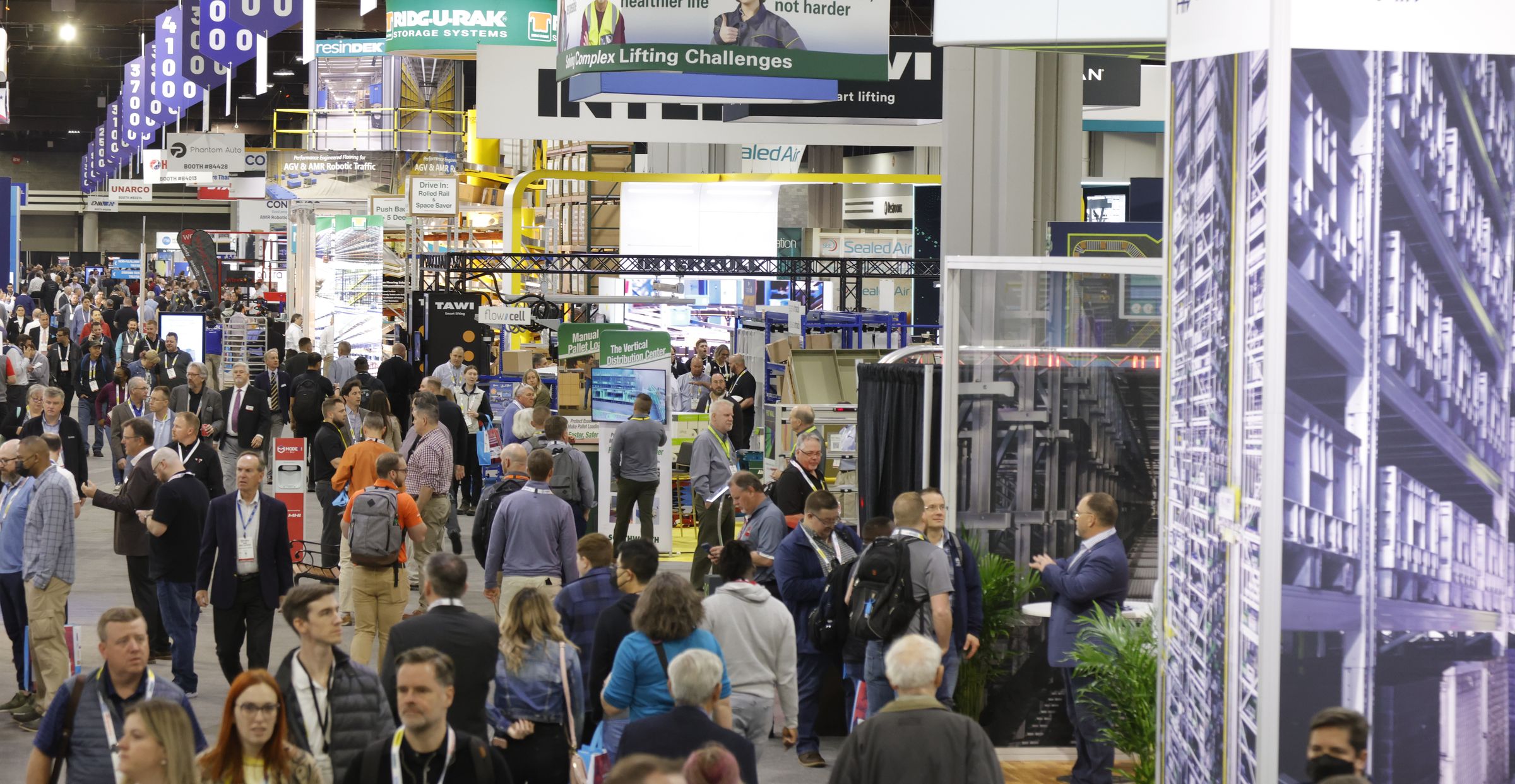
MODEX is one of the largest supply chain events in the world. With hundreds of exhibitors, dozens of sessions, and four packed days on the floor, most attendees leave having seen maybe a fraction of what they came for.
This year's show runs April 13–16 at the Georgia World Congress Center in Atlanta. If optimizing your fulfillment operations and evaluating packing is on your list of priorities, there's a lot here worth your attention. But most of it won't find you. You have to go looking.
This guide is written specifically for fulfillment teams focused on packing optimization, cartonization, and overall fulfillment efficiency. We will cover everything related to packing strategy, from dimensioning and cartonization to packing software, WMS selection, systems integration, shipping cost management, and automation.
Why Prioritize Packing in 2026?
DIM weight pricing is only part of the story. Carriers are layering on surcharges, from fuel to delivery area fees, and adjusting them more frequently, making shipping costs increasingly difficult to predict. At the same time, inefficient packing widens the gap between actual and billed weight, triggering higher costs and additional penalties.
Upstream automation is creating downstream pressure. As pick rates increase through robotics and automation, pack stations become the bottleneck. A faster pick operation doesn't help if orders are backing up at the pack bench.
Inconsistency is hard to manage at scale. Even with SOPs defined, packing decisions are often left to associates, making them difficult to enforce consistently. This leads to variability in quality and cost across shifts, workers, and order types, which becomes expensive as volume and complexity increase.
Packaging regulations are on the horizon. The EU's Packaging and Packaging Waste Regulation (PPWR) is creating real compliance requirements around void space (also known as empty space ratio), recyclability, and material use. If you ship internationally, this is worth understanding now.
If you know where to look, there’s more to get out of MODEX than you might expect.
Companies Worth Visiting at MODEX 2026
The exhibitors below are organized by the part of the packing problem they address. The goal is to help you understand where to focus based on your current gaps, and what questions are worth asking once you get there.
Dimensioning
Good packing decisions start with accurate data. The box selection, packing configuration, and carrier cost calculations for any given order are only as reliable as the SKU dimensions and attributes feeding into them. When that data is incomplete, estimated, or captured inconsistently across systems, the errors compound quietly, showing up as DIM weight discrepancies, unexpected surcharges, or cartonization recommendations that don't match reality. Most operations don't catch the problem until the cost is already eroding margins.
Cubiscan specializes in dimensioning and weighing equipment used at receiving, in storage, and at the pack station. If data accuracy is a gap in your operation, or if you suspect it might be but don't have clear visibility yet, their booth is a practical place to start the conversation.
Booth to visit:
Session to attend:
AI-Powered Mobile Dimensioning: Measure Anything, Anywhere, 3X Faster
Tuesday, April 14 | 3:45 PM – 4:30 PM | Emerging Technologies Theater
Presented by Matt Miller, President and CTO, MobileDemand
Learn how AI-powered mobile dimensioning captures dimensions, weights, photos, and barcodes at the product's location rather than at a fixed station. The session makes a practical case for why accurate item master data is a prerequisite for good packing decisions downstream. If your dimensions are stale or inconsistently captured, this is the right place to start.
Packing Control Systems and Cartonization
This is where most operations have the biggest gap in their cartonization logic and packing software. Many teams rely on basic cartonization software or legacy WMS logic that wasn’t designed to optimize for cost. Basic cubing logic optimizes for fit. It looks at dimensions, finds a box that works, and moves on. What it doesn't account for is carrier rate structures, material costs, weight-based surcharges, automation routing, or any of the operational rules that go into making a packing decision. This results in wasted space, excess material use, and inflated transportation costs.
Paccurate built the industry's first Packing Control System (PCS), a dedicated software solution that sits alongside your WMS and governs every packing decision across your operation. The cartonization engine accounts for carrier rates, material costs, and operational constraints in real time. Operators can create, test, and update packing rules directly without backend code changes, giving them complete control over how every order is packed. The platform gives continuous visibility into how packing decisions are affecting cost, material usage, and sustainability KPIs down to the order level.
Booth to Visit:
Session to Attend:
Why Every Operation Needs a Packing Control System
Tuesday, April 14 | 11:15 AM – 12:00 PM | Theater B
Presented by James Malley, CEO and Co-Founder, Paccurate
Introducing the Packing Control System as a new category: an agnostic decisioning layer that sits alongside WMS, WES, and WCS to manage packing at the order level. This session covers how a PCS enables cost-aware box selection, supports compliance requirements like PPWR, and maximizes ROI from automation investments, including Autonomous Mobile Robots (AMRs) and Automated Storage and Retrieval Systems (AS/RS). A good anchor session for understanding how packing fits into the broader fulfillment stack.
Systems: WMS, WCS, and Inventory Management
Packing decisions don't live in isolation. They depend on clean, reliable data flowing between systems. Order data, rate information, inventory, and execution signals all need to connect.
When those handoffs break down, even strong logic produces inconsistent results.
If your systems feel rigid or if changes require heavy IT involvement, this layer is likely part of the issue. Many operations don't struggle with a lack of tools, but with how those tools communicate.
At MODEX, this is where conversations shift from features to architecture. The question isn't just what a system can do, but how easily it can adapt as your operation changes.
On the WMS and fulfillment platform side, Aptean, Deposco, Infios, Logiwa, and Tecsys are all worth visiting. Each brings a different angle — ERP-integrated TMS, high-volume fulfillment management, platform-based WMS, and omnichannel execution.
If the issue is more about how your existing systems talk to each other, SVT Robotics operates at the integration layer, connecting automation, WMS, and execution software through a standardized approach that reduces handoff friction.
Booths to Visit:
Sessions to Attend:
The Case for Platform-Based Warehouse Systems
Monday, April 13 | 12:45 PM – 1:30 PM | Theater D
Presented by Bill Denbigh, VP of Go-to-Market, Tecsys
Makes the case for why modern supply chain systems need to be built on platforms rather than point solutions — a continuously updated infrastructure layer, a data and AI layer that turns transactions into insight, and embedded low-code tools that let teams adapt without rewriting core systems. Useful if your current WMS feels rigid or if upgrades are more disruptive than they should be.
Orchestrating a Supply Chain Symphony: How Flexport Achieved 100% Growth with AI-Driven Fulfillment
Monday, April 13 | 12:00 PM – 12:45 PM | Theater E
Presented by Cody Moreland, Flexport; Erhan Musaoglu, CEO, Logiwa
Flexport's Senior Director of Fulfillment Operations describes how they built a tech stack capable of supporting 100% network growth in a few months, including a 15% improvement in pick productivity. The practical content here is about system selection, rapid onboarding, and building a fulfillment operation that can scale without breaking. A useful reference case if you're evaluating WMS upgrades.
Shipping: Carrier Cost and Parcel Strategy
Packing decisions and shipping costs are tightly connected. Box selection affects DIM weight, surcharges, and even which carrier is selected. As pricing becomes more complex and less predictable, these decisions carry more weight.
If shipping costs feel volatile or difficult to explain, the issue is often not just carrier rates, but how packaging interacts with them. Many operations still treat packing and shipping as separate decisions when they are deeply linked.
ProShip is a good place to explore how shipping fulfillment software, carrier strategy, rate shopping, and packaging decisions come together, especially if you’re looking for more visibility into how those costs are calculated.
Booth to Visit:
Session to Attend:
This Might Surprise You: What Shippers Really Think About the Future of Parcel
Tuesday, April 14 | 3:45 PM – 4:30 PM | Theater D
Presented by Justin Cramer and Tony Verrill, ProShip; Tanner Schatzel, U.S. AutoForce; Grace Sharkey, Orderful
ProShip presents findings from an industry-wide parcel shipping survey covering carrier strategy, technology investments, and operational priorities across manufacturing, retail, 3PL, and healthcare. Panelists from actual shipping operations add context to the data. Useful for benchmarking your own approach to carrier management and understanding where peers are placing their bets.
Execution: Automation, SLAM, and Packaging Systems
This is where most of the attention at MODEX goes. Humanoids, robotic picking, AMRs, and high-speed automation are all the hype. But the more useful question is: What happens after the pick?
As operations invest in faster picking, packing often becomes the constraint. Throughput increases upstream don’t always translate downstream, especially if pack stations are not designed to keep pace or if packing decisions are inconsistent.
When you’re evaluating automation, look closely at how packing fits into the flow. Where does the handoff happen? Does the system simplify the process or introduce more complexity?
Kardex and Robust.AI are both relevant here, particularly in how their systems impact the transition from picking to packing and whether that transition supports or slows down overall throughput.
Packsize is also worth evaluating in this category. Their on-demand packaging systems generate right-sized boxes in real time, removing the need for a fixed box assortment and reducing both void fill and dimensional weight while increasing throughput.
Booths to Visit:
Sessions to attend:
Moving Beyond the Pick: Avoiding Downstream Bottlenecks
Tuesday, April 14 | 2:15 PM | 3:00 PM | Theater B
Presented by Patrick Hanrahan, Numina Group; James Malley, Paccurate; Xiara Platte, Sitma
Addresses one of the most common unintended consequences of automation investment: fast picking that creates a backlog at the pack station. The session covers process optimization for SLAM lines, automated packing solutions, and how cartonization integrated with picking and packing automation leads to a more balanced end-to-end operation. Worth attending if you've already invested in upstream automation or are planning to.
Creating a Harmonious WMS and WCS Solution
Monday, April 13 | 10:30 AM – 11:15 AM | Theater A
Presented by Open Sky Group and Kardex, with panelists from Border States and U.S. Electrical Services
A panel discussion with Border States and U.S. Electrical Services covering how they selected and implemented WMS and WCS across both greenfield and brownfield facilities. If you're working through how to make multiple systems work together without creating gaps in your operation, the firsthand accounts here are more useful than most vendor presentations.
Before You Head to the Floor
MODEX covers a lot of ground. If packing is a priority, the categories worth focusing on are clear: data accuracy, packing control, systems integration, shipping cost visibility, and execution. Each one affects the others, and gaps in any of them tend to show up in the same place — freight spend, rework, and throughput constraints that are hard to explain.
Come with a clear sense of where your operation is losing ground. The booths and sessions in this guide are a starting point, not a checklist. The most useful conversations at MODEX happen when you walk in with specific problems and use the show to pressure-test your thinking.
Visit Paccurate at MODEX
Stop by Booth C11165 to talk with one of our packing experts. We’d love to hear about your challenges and walk through what we’re seeing shippers do to reduce the impact of rising costs.
We’ll also be running live demos at the booth, using real orders to show how Paccurate works and where cost savings come from. If you’d rather plan ahead, you can book a meeting with the team at MODEX to talk through your operation in more detail.