Rising Parcel Costs: What Fulfillment Leaders Can Do About It
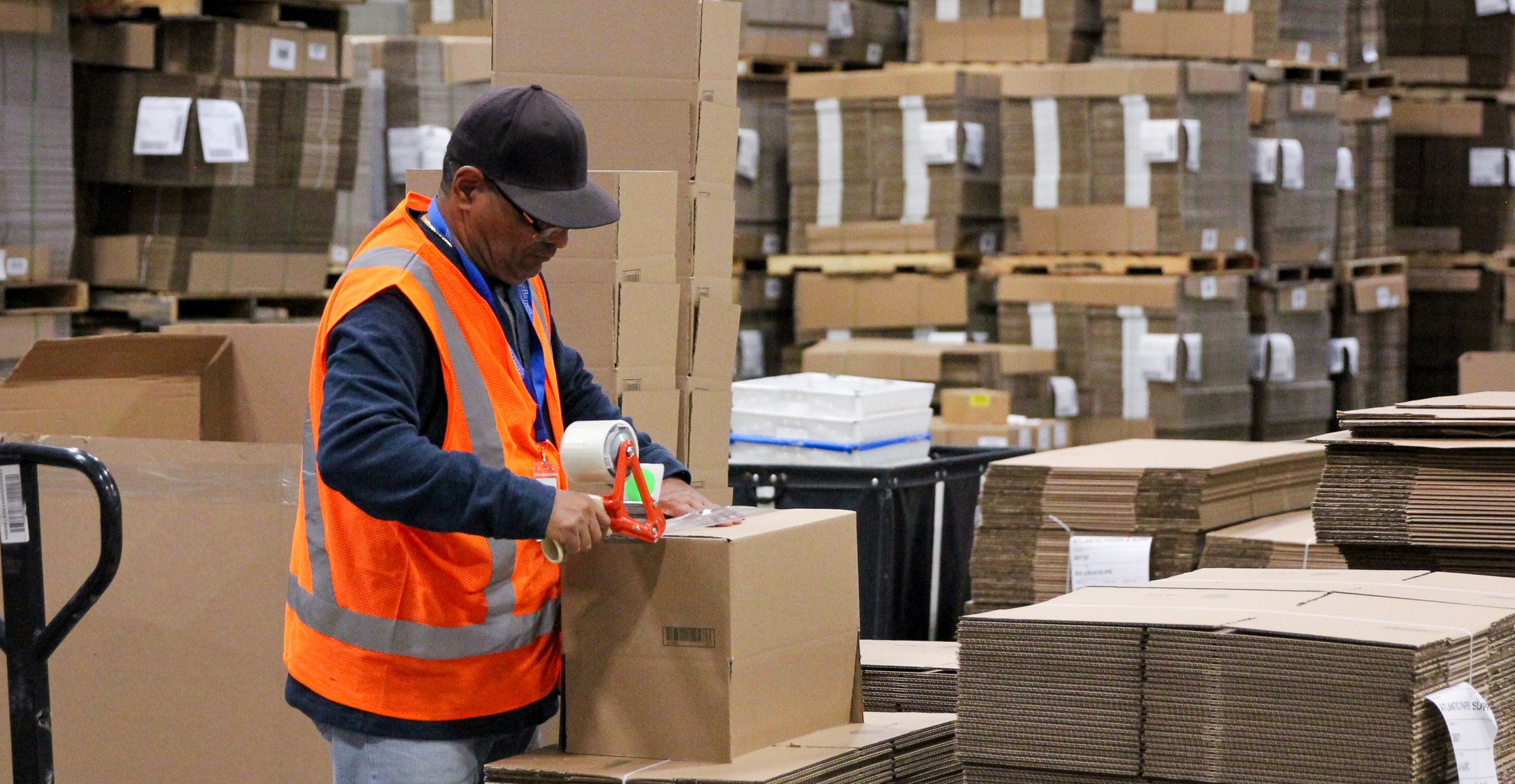
For fulfillment leaders, rising transportation costs are only part of the challenge. Carrier pricing changes more frequently than it once did, and new accessorials appear throughout the year. Fees tied to fuel, dimensional weight, and delivery zones can shift the economics of an order before it has been packed. With so many variables in play, planning budgets and keeping shipping costs under control has become increasingly difficult.
To better understand what’s happening and how businesses are responding, Paccurate’s co-founder and CEO James Malley sat down with a group of industry experts working across parcel analytics, packaging, and fulfillment technology: Jack McCrum of Reveel, Jason Shugar of Lindenmeyr Munroe, and Tony Villanova of Paccurate.
Their discussion explored what customers are struggling with today, how packaging and fulfillment strategies are evolving, and where operations teams can actually take control of rising parcel costs.
James Malley: Before we get into the cost side, quick introductions. Who are you and what’s your most memorable packaging story?
Jack McCrum: I’m Director of Optimization Analytics at Reveel, a parcel spend management company that helps customers use data to control costs across their parcel programs. I’ve been in the industry about 10 years, mostly in consulting.
My most memorable packaging story was ordering a lawnmower online after buying my first house. It showed up in an oversized box, and I did the mental math on shipping. With accessorials, it was easily around $100 to $120. The shipping cost basically dwarfed the value of what I bought. That’s a parcel horror story.
Jason Shugar: I’m National Sales Manager for Packaging at Lindenmeyr Monroe. We’re a North American distribution company with about 120 locations, and my focus is packaging, automation, and operational optimization.
One of my favorite packaging projects involved a customer that makes very expensive water pipes — $2,500 and up. They needed protective packaging but also wanted a branded experience. They asked for a box that played the theme from It’s Always Sunny in Philadelphia when opened. We built protective packaging and integrated a small music component. It was expensive, but it delivered exactly what the customer wanted.
Tony Villanova: I’m VP of Technology Partnerships at Paccurate. My focus is helping solve the “small item in the big box” problem by giving operators more control through packing control systems.
My story is about fulfillment accuracy. I ordered a jacket and received a tie. Customer service expedited a replacement and shipped me the same tie again. Eventually I got the jacket, plus two ugly ties. It exposed an inventory and execution problem and shows how quickly costs pile up when fulfillment goes wrong.
What Are Shippers Struggling With Right Now?
James: Transportation costs are multifactorial, but what is the biggest challenge you’re hearing from customers right now?
Jason: The biggest theme is the rising cost of running the business. Goods, packaging, transportation, and returns are all up. Labor is also a major cost driver. Wages are rising, turnover is high, and businesses are competing with large employers like Amazon, Walmart, and FedEx for warehouse talent.
One effective response has been automation. Not necessarily to eliminate roles, but to increase throughput so each employee can ship more packages per day.
Jack: It’s cost, but it’s also volatility. Parcel pricing is getting harder to forecast.
In 2025, carriers leaned harder into incremental and definitional pricing. Pricing changes more frequently, in smaller steps, and across more areas of the invoice.
That means teams have to manage more complexity without necessarily adding headcount. The playing field got bigger.
Tony: Cost pressure is hitting from every direction, but there’s also frustration around visibility and agility. Businesses see parcel spend rising but struggle to respond quickly. The challenge is figuring out what to change and acting fast enough to make a difference.

Why Accessorials Hurt More Than the Headline GRI
While the annual General Rate Increase (GRI) gets the headlines, many shippers say the real cost pressure shows up in accessorial fees.
James: Jack, everyone watches the GRI, but accessorials are where the pain often shows up. What’s different today compared to a few years ago?
Jack: The headline GRI percentage has become less useful because carriers are pricing more surgically throughout the year.
Two themes stand out.
First, large and bulky packages are being priced very aggressively. Additional handling and oversized charges have climbed sharply over time. The signal from carriers is clear: they want fewer of those packages in their networks, or they want to be paid significantly more for them.
Second, population density pricing is expanding. Delivery Area Surcharges used to primarily affect rural locations. Increasingly, carriers are redefining those areas and applying surcharges to suburban and even some urban zones.
Fuel is another example of incremental pricing pressure. Fuel surcharges change frequently, and increases have occurred even when fuel prices fall. The result is less predictability and more effort required just to stay on top of pricing changes.
Will Large and Bulky Shipments Move Out of Parcel?
James: Do these rates push retailers toward “not available online” or “buy online, pick up in store” for bulky items?
Jack: For major carriers, large and bulky shipments are becoming less desirable. But they aren’t disappearing.
Alternative carriers and specialized networks can fill that gap, and Amazon has its own large and bulky delivery capabilities. The market can still support it, but the traditional parcel paradigm is shifting quickly.
How Businesses Are Managing Packaging Budgets and Material Costs
Packaging is another area where businesses are trying to regain control over costs.
James: Jason, you work closely with customers on packaging. How are businesses trying to forecast budgets and control material costs right now?
Jason: It starts with a discovery process: understanding the goals, constraints, and what’s changing in the market. From there it becomes continuous improvement. In this environment, businesses need a plan and they need to work that plan.
Strategies vary by product segment, but examples include shifting sourcing to domestic manufacturers when tariffs spike, reducing material thickness where performance allows, reducing packaging size to lower both material usage and transportation cost, and forward buying inventory to buffer price swings.
The important point is avoiding “lowest price at all costs.” If packaging quality drops, damages and returns rise, and total costs increase.
James: Are businesses buying more domestically now?
Jason: It depends on the category. Tape is a clear example. Some imported tape has been hit hard by tariffs, so domestic manufacturing has become more attractive. But it’s very case by case.
Why Pack-Out Was Overlooked and Why It’s Now a Strategic Focus
For years, most operational optimization focused on picking. But as parcel costs rise and order profiles shift, packing is becoming one of the most important levers in fulfillment.
James: Tony, pack-out sits between packaging costs and transportation costs, but it often gets overlooked. Why did operations historically focus more on picking?
Tony: Picking has traditionally been the obvious labor and time bottleneck. That’s where the most people were, the most travel time existed, and early automation delivered fast ROI. Packing was often treated as a necessary step at the end.
What changed is the nature of fulfillment. E-commerce volume exploded, shipment sizes became smaller and more frequent, and pack-out throughput started to matter more. At the same time, shipping penalties, returns, and sustainability expectations turned packaging into a strategic lever rather than just an operational task.
Today, pack-out directly impacts margins, customer experience, and carbon footprint.
James: When picking gets automated, what happens downstream?
Tony: Everything is connected. When picking speeds up, pressure shifts to pack-out and shipping. If packing can’t keep up, overtime increases, SLAs become harder to hit, and costs rise. Faster picking without packing modernization just moves the bottleneck.
Carrier Contract Negotiation Strategies
Carrier contracts are another area where businesses are adapting their strategies to a more dynamic pricing environment.
James: Jack, everyone loves contract negotiations. What strategies should shippers think about as they head into negotiations?
Jack: First, think like the carrier. Understand what carriers are optimizing for, such as revenue quality and cost to serve. That helps shape better conversations and better program design.
Second, negotiate more frequently and more surgically. The old “large RFP every few years” approach is less effective in an environment where pricing changes constantly. Use data to justify targeted amendments when specific costs spike.
Third, get creative with terms. Negotiate protections beyond base rates, such as caps on surcharges, custom fuel tables, and language that triggers discussions before new fees hit invoices.
How are Packaging Purchasing Strategies Evolving?
James: Jason, are you seeing smarter purchasing behavior? What’s changing?
Jason: Two shifts stand out.
First, big and bulky inventory is moving closer to customers. Large retailers are stocking bulky items in stores and shipping from stores or offering pickup. Others are adding 3PL or last-mile nodes closer to customers. That changes packaging procurement patterns because packaging needs move beyond DCs into stores and distributed nodes.
Second, there’s more RFP activity, but also more strategic partnership. Costs are pushing more businesses to run RFPs, but more sophisticated companies are looking at automation and packaging improvements rather than simply chasing the lowest unit price and risking higher damage rates.
Additional Cost Control Strategies Worth Considering
James: Quick round robin. Is there one more strategy worth calling out?
Jack: Pay invoices on time. Late payment penalties are becoming more common and more painful.
Jason: Optimize internal packaging, not just box size. Poor protection increases damages and returns, which drives transportation costs up quickly. Also, many businesses are shifting from boxes to mailers where it makes sense.
Tony: Two things: network strategy and returns reduction. Inventory placement, order consolidation, and zone skipping can reduce shipping zones and costs. Returns matter because every avoidable return is essentially paying shipping twice.
James: For anyone new to the concept, Tony, what’s the 30-second definition of zone skipping?
Tony: Zone skipping is consolidating shipments and moving them closer to the destination before injecting them into the carrier network. That reduces the zones on the final leg, so businesses pay something closer to a Zone 5 cost instead of Zone 7 or Zone 8.
Closing
Transportation costs continue to rise, but the bigger challenge for many shippers today is unpredictability. Across carriers, packaging, labor, and execution, the panel kept coming back to the same theme: cost control increasingly depends on visibility and the ability to make smarter decisions earlier in the fulfillment process.
To watch the full panel discussion on demand, click here. Learn more about Paccurate's partnerships by visiting our partner page.